
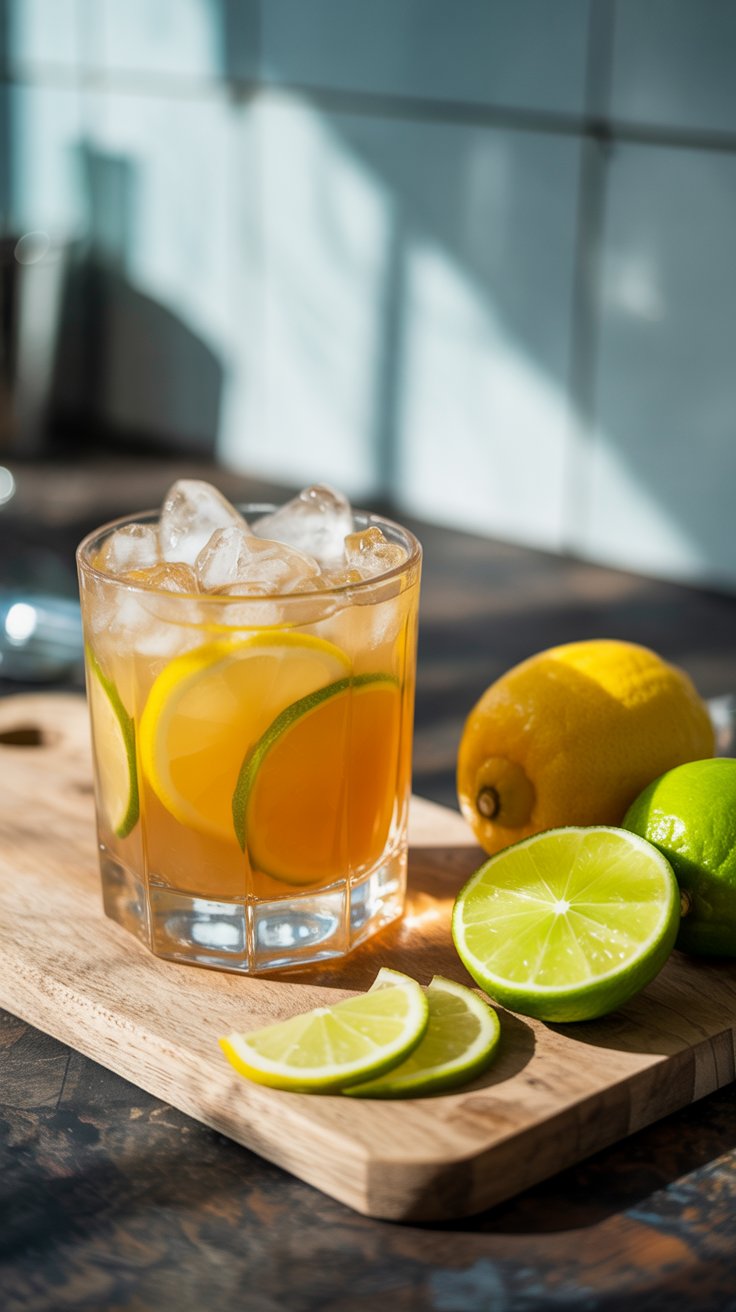
My journey with the Citrus Daiquiri began years ago, and since then, I’ve been captivated by its perfect balance of tangy citrus, smooth rum, and just the right touch of sweetness. This drink isn’t just a cocktail; it’s an experience that combines history, technique, and flavor in every sip.
First created in the late 19th century, the Daiquiri has evolved from a simple mix of rum, lime juice, and sugar to a sophisticated cocktail with various interpretations. Its origins trace back to Jennings Cox, an American engineer in Cuba, who experimented with local ingredients to create this timeless drink.
Crafting the perfect Daiquiri requires attention to detail. High-quality ingredients like fresh citrus juice, pure cane sugar, and premium rum are essential. The balance of these elements is crucial—too much citrus can make it overly tart, while too much sugar can mask the other flavors.
In this guide, I’ll walk you through the history of the Daiquiri, from its humble beginnings to modern variations. You’ll learn about the importance of using fresh ingredients, the art of balancing flavors, and various techniques to prepare this classic cocktail. Whether you’re a seasoned bartender or a curious newcomer, you’ll find actionable tips and insights to elevate your Daiquiri game.
So, let’s dive into the world of the Daiquiri and uncover the secrets behind this beloved drink. By the end of this journey, you’ll be equipped with the knowledge to create a Daiquiri that’s not only delicious but also visually appealing, just like the ones served in the finest bars.
Key Takeaways
- Discover the origins of the Daiquiri and its evolution over time.
- Learn the importance of using fresh, high-quality ingredients.
- Master the balance of flavors to create a perfectly crafted Daiquiri.
- Explore various techniques for preparing this classic cocktail.
- Gain insights into the history and cultural significance of the Daiquiri.
Getting Started with the Citrus Daiquiri cocktail
My fascination with this refreshing drink began during a summer evening when I first tasted the perfect blend of tangy citrus, smooth rum, and just the right touch of sweetness. It was more than just a drink; it was an experience that captivated my senses and drew me into the world of mixology.
Why I Love This Refreshing Drink
I have a deep personal connection to this drink. It reminds me of warm summer days and gatherings with friends. The combination of premium rum and tangy citrus creates a unique flavor profile that sets it apart from other beverages. The simplicity of its ingredients is part of its charm, yet the complexity of its taste is what keeps me coming back for more.
The Essential Ingredients: Rum, Citrus, and Sweeteners
At the heart of this drink are three key components: rum, citrus, and sweeteners. High-quality rum is essential, with options like white rum or rhum agricole offering distinct flavors. Fresh citrus juice is another critical element, providing the necessary tartness. Simple or cane syrup serves as the sweetener, balancing out the tartness of the citrus. Garnishes like lemon verbena add a subtle yet elegant touch to the final product.
Balancing tart and sweet is an art. I’ve experimented with classical recipes and modern tweaks to find the perfect harmony. The evolution of my approach has been a journey from trial and error to understanding the nuances of flavor balance. Proper ice is also crucial, as it affects the texture and temperature of the drink, ensuring it remains refreshing without becoming watered down.
Inspired by historical figures like Hemingway, who famously enjoyed a variation without sugar and with double the rum, I’ve developed my own approach to ingredient selection. Fresh ingredients and precise measurements are non-negotiable in my recipe, ensuring a consistently refreshing experience. As we delve deeper into preparation techniques in the following sections, you’ll learn how to elevate your own Daiquiri game and create a drink that’s as visually appealing as it is delicious.
Mastering the Preparation: Tips and Techniques
Creating the perfect drink involves more than just mixing ingredients; it’s about understanding the process. Whether you’re shaking or blending, each method plays a role in the final result.
Step-by-Step Shaking and Blending Methods
To craft a refreshing drink, start by combining rum, fresh lime juice, and sugar syrup in a shaker filled with ice. Shake firmly but gently for about 15-20 seconds to chill and mix the ingredients without over-diluting. Strain the mixture into a chilled glass for a smooth texture. For a frozen version, blend the ingredients with crushed ice until smooth, then pour into a glass and serve immediately.
Choosing Between Agricole and White Rum
The choice of rum significantly impacts the flavor profile. White rum offers a lighter, crisper taste, making it ideal for those who prefer a more delicate flavor. On the other hand, rhum agricole provides a richer, earthier taste with grassy notes, adding depth to the drink. Consider your personal preference when selecting the rum for your recipe.
| Rum Type | Flavor Profile | Recommended Use |
|---|---|---|
| White Rum | Light, crisp, and subtle | Classic recipes, delicate flavors |
| Rhum Agricole | Rich, earthy, grassy notes | Those seeking a bold, complex taste |
By mastering these techniques and choosing the right rum, you’ll elevate your drink to new heights. Remember, every step contributes to the final quality, so attention to detail is key.
Exploring the Rich History and Variations
The story of the Daiquiri is as fascinating as the drink itself. Originating in the late 19th century in Cuba, this classic recipe has evolved significantly over time, shaped by cultural influences and innovative bartenders.
The Hemingway Connection and Story Behind the Daiquiri
One of the most intriguing tales surrounding the Daiquiri involves Ernest Hemingway, who became a regular at Havana’s El Floridita bar. Hemingway’s version, known as the Papa Doble, featured double the rum, no sugar, and the addition of grapefruit and maraschino liqueur. This unique twist not only suited his taste but also became a hallmark of the drink’s versatility.
Innovative Twists: From Frozen to Classic Shaken
Over the years, the Daiquiri has seen various transformations. The frozen version emerged in the 1940s, offering a refreshing, blended take on the classic. This shift from the traditional shaken method to a blended format opened up new possibilities for texture and flavor, making the Daiquiri a favorite in different forms.
How Ingredient Proportions Have Evolved Over Time
The original Daiquiri recipe followed a 2:1:3/4 ratio—two parts rum, one part lime juice, and three-quarters part sugar syrup. Modern recipes have tweaked these proportions to balance flavors, often reducing the tartness and sweetness to create a smoother profile. This evolution reflects a continuous quest for perfection, ensuring the drink remains appealing to diverse palates.
Understanding the historical context and the journey of the Daiquiri adds depth to its appreciation. From its humble beginnings as a miner’s drink to its sophisticated versions today, the Daiquiri’s story is one of adaptation and creativity. Whether you’re a history buff or a mixology enthusiast, exploring these variations offers a richer connection to the drink and its cultural significance.
Balancing Flavors: Achieving the Perfect Mix
One of the most critical aspects of crafting a great drink is achieving the perfect balance of flavors. This harmony between tartness, sweetness, and the richness of rum is what elevates a simple mix of ingredients into a memorable experience.
Managing Ratios of Sharpness and Sweetness
The foundation of a well-balanced drink lies in the ratio of its ingredients. I’ve found that starting with a classic 2:1:1 formula—two parts rum, one part lime juice, and one part simple syrup—provides a solid base. However, this is just the beginning. The key is to taste and adjust, ensuring that no single flavor overpowers the others.
Personal Adjustments for a Custom Experience
Over time, I’ve experimented with tweaking these ratios to suit my taste. For instance, if I’m using a bolder rum like rhum agricole, I might reduce the amount of simple syrup to let the rum’s natural flavors shine. Conversely, if the lime juice is particularly tart, a slight increase in sweetness can create a smoother finish.
Customization is where the magic happens. Consider adding a splash of maraschino liqueur for a fruity depth or adjusting the amount of syrup based on the sweetness of your rum. The goal is to create a drink that feels tailored to your palate, whether you prefer it slightly sweeter or more tart.
Remember, balance is an iterative process. It’s about subtle adjustments and understanding how each ingredient interacts with the others. With a little patience and practice, you’ll find the perfect harmony that makes your drink truly special.
Conclusion
As we conclude our journey through the world of the Daiquiri, it’s clear why this drink has remained a timeless favorite. With its rich history, versatility, and balance of flavors, it’s a cocktail that adapts to any occasion. From its origins in Cuba to modern variations, the Daiquiri’s essence lies in its simplicity and the quality of its ingredients.
My passion for this drink has only grown stronger with each experiment. The key to a perfect Daiquiri is in the details—carefully measured rum, fresh lime juice, and just the right amount of syrup. It’s about finding that sweet spot where every sip feels tailored to your taste.
Encourage yourself to explore and tweak recipes until you find your signature drink. Share your creations, and let the stories behind each sip connect you with fellow enthusiasts. Whether you’re sipping on a classic or a modern twist, the Daiquiri’s charm lies in its ability to evolve while staying true to its roots. Cheers to crafting drinks that bring people together and create unforgettable memories!
FAQ
What is the best type of rum to use in a Citrus Daiquiri?
I recommend using a high-quality white rum for a crisp, clean flavor. Brands like Bacardi or Brugal are excellent choices because they offer a smooth finish that complements the citrus notes.
How do I achieve the perfect balance of flavors in my Daiquiri?
Balance is key! Start with a 2:1:1 ratio of rum, freshly squeezed juice, and simple syrup. Adjust to your taste, but remember, the citrus should shine without overpowering the other ingredients.
Can I use bottled juice instead of fresh?
While convenient, bottled juice lacks the vibrant freshness of squeezed citrus. For the best flavor, always use freshly squeezed juice from real citrus fruits like limes or oranges.
What’s the best way to sweeten my Daiquiri?
Simple syrup is my go-to because it dissolves easily and provides a smooth sweetness. You can also experiment with honey or agave syrup for a different flavor profile.
Should I garnish my Daiquiri, and if so, how?
Absolutely! A lime wheel or wedge is classic. For a fancier touch, try a sprig of fresh mint or a slice of orange. It adds both visual appeal and a burst of fresh flavor.
Can I make a frozen version of this drink?
Yes! Add ice to your shaker for a slushy texture, or blend the ingredients with ice in a high-powered blender. The frozen version is perfect for hot days.
How important is using fresh ice in my cocktail?
Fresh ice is crucial for a clean, crisp taste. Avoid using ice that’s been sitting in the freezer for too long, as it can absorb odors and affect the flavor of your drink.
Are there any variations of the Daiquiri I should try?
Definitely! The Hemingway Daiquiri, made with grapefruit juice and maraschino liqueur, is a fantastic twist. You can also experiment with different citrus fruits like oranges or grapefruits for unique flavor profiles.
Can I make this drink ahead of time?
While it’s best served fresh, you can prepare the ingredients in advance. Juice your citrus and mix the syrup and rum, then combine everything just before serving for the freshest taste.